
Wallet vs Wallet
On this page I put wallets head-to-head. I bought each of these wallets myself and every comparison below is based on real use. If you are trying to decide between two specific models, start with the video. Written notes for each matchup sit under the grid.
Common searches this page covers: Tangem vs Ledger, Tangem vs Trezor, Ledger vs Trezor, Tangem vs DCENT S, and which Ledger or Trezor model to buy.
Notes on the videos
Same order as the cards above. Short version here. Full write-ups are linked under each matchup.
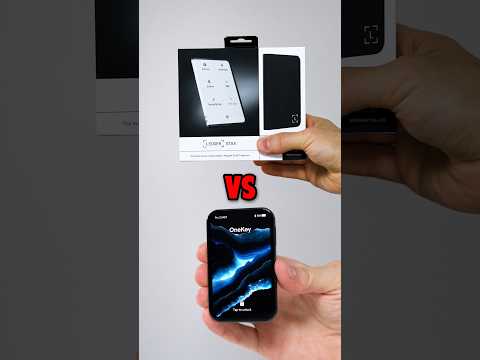
OneKey Pro 2 vs Ledger vs Trezor
Brand new OneKey flagship against the two main wallets at the same price point. All three have touchscreens. The Pro 2 is the newest.
What we compared: build quality, fingerprint scanner, air-gap mode, backup types, touchscreen, open source score, boot time, price.
The difference that matters: In the hand the Pro 2 feels more premium than the Nano Gen 5 or Flex, closer to the Stax. Both touchscreens are comparable quality, but the Pro 2 adds a fingerprint scanner in the power button, a full air-gap mode over QR codes with no cables and no Bluetooth, passphrase support, and multi-share backup options. Against the Trezor Safe 7 the Pro 2 wins on looks and how the screen feels. Trezor is marginally more open source overall. The transaction review screen on the Pro 2 is clear and easy to read. Boot takes about 7 seconds, which is slow.
Who it fits:
- OneKey Pro 2 if you want the fingerprint, full air-gap option, and a premium build at this price
- Ledger Flex if you want Ledger's ecosystem with a touchscreen and a slightly lower price
- Trezor Safe 7 if open source is your main filter and you want Trezor's track record
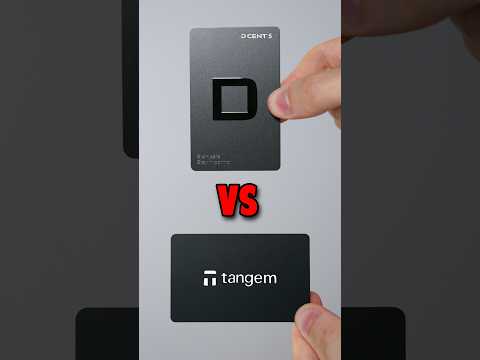
Tangem vs DCENT S
Both are NFC card wallets you tap on your phone. Both use an EAL6+ chip. Both default to seedless backup and both can use a seed phrase if you want one. Price is about $50 to $60 depending on promos.
What we compared: backup cards, apps, networks, earn tools, company history, price.
The difference that matters: Tangem gives you two or three identical cards. Any card can sign. DCENT S gives you two different cards. The S card signs. The smaller recovery card cannot sign. If someone finds a Tangem card plus the PIN, they can move funds. Same if they find the DCENT S card plus its PIN. If they only find the DCENT recovery card, they still need that card's PIN and their own S card.
Who it fits:
- Tangem if you want every card to work the same
- DCENT S if you want a backup card that cannot sign, or you want their XRP and XLM tools
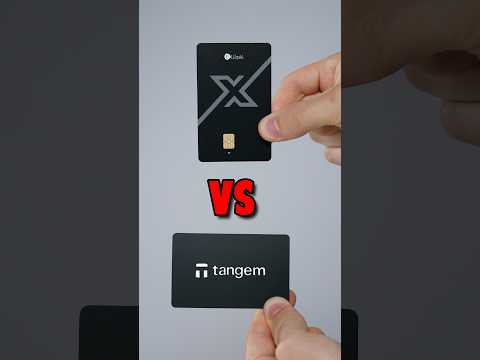
Tangem vs Ellipal X Card
Two NFC cards with no screen. Setup is on the phone for daily use. The split is how the wallet is created and backed up.
What we compared: seedless cards vs offline seed phrase, passphrase support, networks, app features, price.
The difference that matters: Tangem keeps the key on 2 or 3 cards and skips the paper seed by default. Ellipal creates the seed offline on the Starter device, then writes it to the X Card. Tangem has more networks and a stronger app. Ellipal costs more and includes that offline starter.
Who it fits:
- Tangem if you want the simplest card and the wider app
- Ellipal X Card if you want a real seed phrase, generated offline, with passphrase support
Tangem review · Ellipal X Card review · Full written comparison
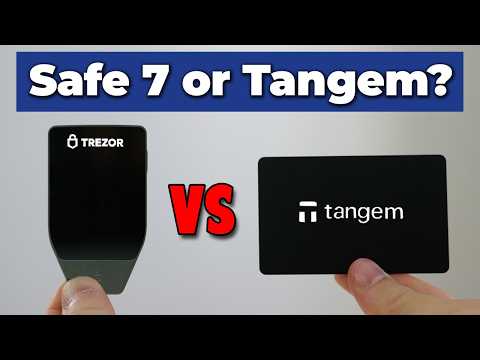
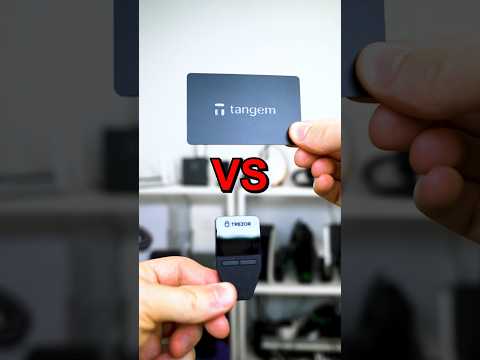
Tangem vs Trezor Safe 7
Card vs flagship screen wallet. Different idea of safety, not a spec-sheet tie.
What we compared: seedless cards vs 24-word seed, open source vs closed card firmware, NFC vs USB-C and Bluetooth, durability, price.
The difference that matters: Tangem removes the seed phrase and firmware updates. Trezor Safe 7 gives you a 2.5-inch screen, open source firmware, three chips, desktop plus phone, and a $249 price. Tangem is $55 to $70 and lives in a wallet slot.
Who it fits:
- Tangem if you want simple daily use and no paper seed
- Trezor Safe 7 if you want to read every send on a screen and verify the firmware
Tangem review · Trezor Safe 7 review · Full written comparison
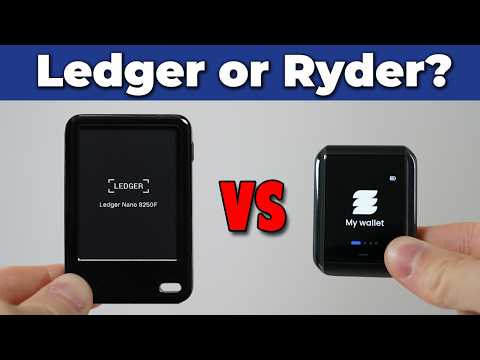
Ryder One vs Ledger
Seedless NFC device with a small screen vs Ledger's screen-and-app ecosystem. There is no full Ryder vs Ledger blog post yet.
What we compared: backup method, how a send works, mobile vs desktop, price.
The difference that matters: Ryder uses TapSafe tags and no 24-word seed. Ledger uses a seed phrase and a much bigger app and coin list. Ryder daily sends take more taps. Ledger is stronger for desktop and DeFi. Ryder is cheaper than current Ledger touchscreen models.
Who it fits:
- Ryder One if you want seedless backup and a sealed NFC device
- Ledger if you want the wider ecosystem and a normal screen-and-app flow
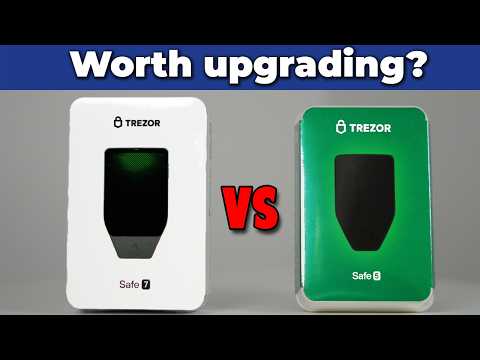
Trezor Safe 7 vs Trezor Safe 5
Same Trezor line, two different screens and price points. The upgrade decision comes down to Bluetooth and iPhone support.
What we compared: screen size, Bluetooth, iPhone support, three-chip security, price.
The difference that matters: Safe 5 is $169 with a 1.54-inch color screen, USB-C only, no Bluetooth. Safe 7 is $249 with a 2.5-inch screen, Bluetooth, full iPhone support via wireless, and a three-chip setup including the in-house TROPIC01 chip. For iPhone users, Safe 7 is the only Trezor with proper wireless support.
Who it fits:
- Safe 5 if you are on Android or desktop and don't need Bluetooth
- Safe 7 if you want the bigger screen, iPhone support, or the three-chip security
Trezor Safe 7 review · Trezor Safe 5 review · Safe 7 vs Safe 5 comparison
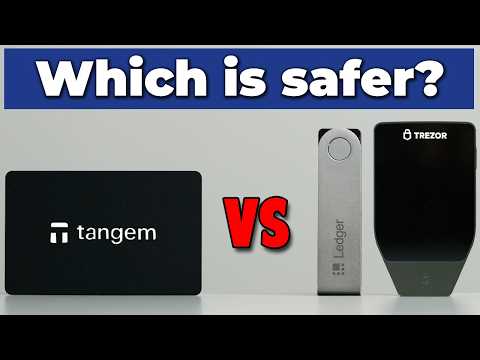
Tangem vs Ledger vs Trezor
The main three-way. Seedless card vs two seed-phrase brands.
What we compared: how people actually lose funds, seed phrases, firmware updates, screens, simplicity.
The difference that matters: Most real losses on Ledger and Trezor start with a seed phrase mistake or a fake support site. Tangem seedless mode removes that paper. Ledger and Trezor give you a screen to read the address. Tangem has no screen on the card, so you trust the phone display. Trezor is the open source option. Ledger has the biggest software ecosystem.
Who it fits:
- Tangem if you want fewer ways to mess up the backup
- Trezor if you want open firmware and a screen
- Ledger if you want their app and coin coverage and accept closed firmware
Tangem review · Trezor Safe 7 review · Full written comparison
Older post on the same three brands: Tangem vs Ledger and Trezor
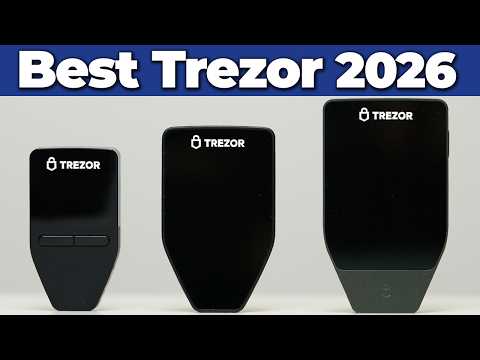
Best Trezor Wallet 2026: Safe 3 vs Safe 5 vs Safe 7
Same Trezor line, three bodies. Safe 3 is the budget button model. Safe 5 adds a screen. Safe 7 is the current flagship.
What we compared: screen, Bluetooth, iPhone use, chips, price.
The difference that matters: Safe 3 is the budget open source box with buttons. Safe 5 adds a 1.54-inch color screen and stays USB-C only. Safe 7 adds the 2.5-inch screen, Bluetooth, full iPhone use, IP67, and the three-chip setup. If your phone is an iPhone, Safe 7 is the Trezor that works properly.
Who it fits:
- Safe 3 if price is the main filter
- Safe 5 if you are on Android or desktop and want a screen without Bluetooth
- Safe 7 if you want the current flagship
Trezor Safe 7 review · Trezor Safe 5 review · Safe 7 vs Safe 5
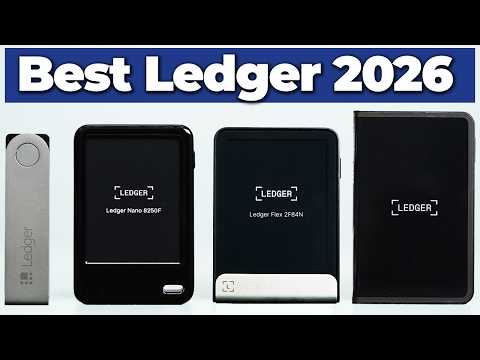
Best Ledger Wallet 2026: Nano X vs Gen 5 vs Flex vs Stax
All Ledger. Same company, different body and price.
What we compared: screen, chip, Bluetooth, NFC, price.
The difference that matters: Nano X is the old small-screen Bluetooth stick with an older chip. Gen 5, Flex, and Stax share the newer EAL6+ chip and a touchscreen. Gen 5 is the value pick in that new group. Flex is a sharper screen at a higher price. Stax is the $399 curved screen. You are not buying extra security when you go Flex or Stax over Gen 5.
Who it fits:
- Nano Gen 5 if you have already decided on Ledger
- Flex or Stax only if the screen and build are the point
- Skip Nano X unless you already own one
Trezor vs Tangem
Short version of the same split as Tangem vs Trezor Safe 7. Seed phrase plus screen vs seedless card.
What we compared: backup, screen, price, daily use.
The difference that matters: Trezor makes you write words and confirm sends on the device. Tangem makes you keep cards and a PIN. Trezor costs more and works on desktop. Tangem is cheaper and phone-only.
Who it fits:
- Trezor if you want a screen and open source
- Tangem if you want a card and no seed phrase
Tangem review · Trezor Safe 7 review · Tangem vs Trezor Safe 7
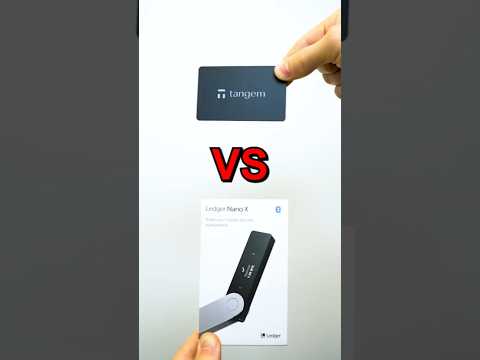
Ledger vs Tangem
Short version of Tangem vs Ledger. Card vs device with a screen.
What we compared: seedless vs seed phrase, NFC vs USB/Bluetooth, app ecosystem, price.
The difference that matters: Ledger lets you read the destination on the device. Tangem has no screen on the card. Ledger has more desktop and DeFi paths. Tangem is cheaper and faster to set up.
Who it fits:
- Ledger if you want on-device signing and the Ledger app
- Tangem if you want tap-to-phone and no paper seed
Tangem review · Tangem vs Ledger vs Trezor write-up · Best Ledger wallet 2026
Wallets in the videos on this page: Tangem, DCENT S, Ellipal X Card, Ryder One, Trezor Safe 3, Trezor Safe 5, Trezor Safe 7, Ledger Nano X, Ledger Nano Gen 5, Ledger Flex, and Ledger Stax. For scores across security, ease of use, compatibility, and price, use the ranked table.